What Is Animal Hoarding?
Animal hoarding is characterized by accumulating a large number of animals, failing to provide adequate care, and not acknowledging the animals' deteriorating condition or the impact on the household. It differs from general hoarding in important ways: the primary "items" accumulated are living beings, the contamination from animal waste is typically more severe and more pervasive than in object hoarding, and the intervention involves animal welfare authorities in addition to cleanup crews.
Research estimates that animal hoarding affects tens of thousands of households annually in the US. Texas — with its large population, warm climate favorable to animal reproduction, and significant rural areas where situations can go undetected longer — has a disproportionately high number of animal hoarding cases reported to authorities each year.
Texas Law on Animal Hoarding
Texas does not have a specific "animal hoarding" statute, but several existing laws apply:
Texas Penal Code § 42.092 — Animal Cruelty
Animal cruelty in Texas is a Class A misdemeanor for first offenses and a state jail felony for subsequent offenses or extreme cases. Hoarding that results in animal suffering, deprivation of food or water, or inadequate shelter can result in criminal charges under this statute. Texas law enforcement and animal control officers can seize animals under this provision.
Texas Health & Safety Code — Animal Control
Local Texas municipalities and counties have animal control ordinances that may address dangerous conditions created by animal hoarding. Many Texas cities have specific limits on the number of animals per household — Dallas allows 6 total, Houston allows 4 dogs and 4 cats, Austin allows unlimited pets with specific care requirements. Violations can trigger code enforcement and animal seizure.
Texas Property Code — Landlord-Tenant
Landlords who discover animal hoarding on rental properties have specific rights and obligations under Texas law, including the right to terminate the lease and the obligation to restore the property to habitable condition before re-renting.
Why Animal Hoarding Cleanup Is Different
Animal hoarding cleanup is significantly more complex and expensive than standard hoarding cleanup for several reasons:
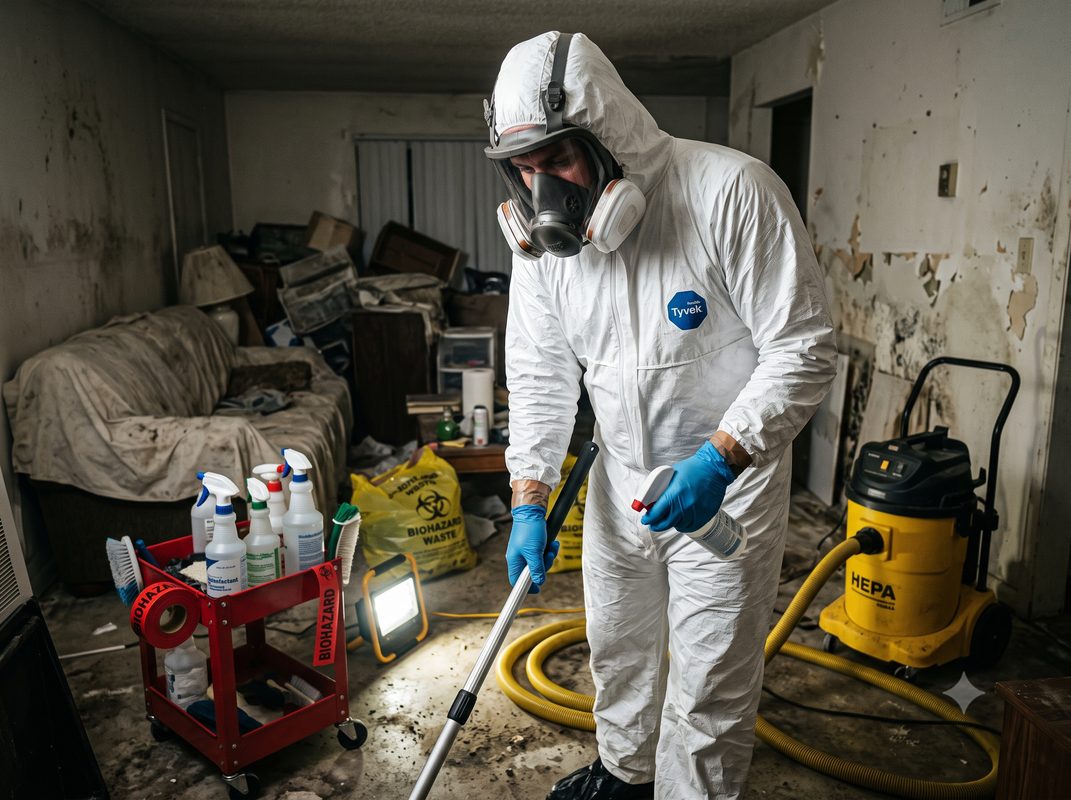
- Biohazard saturation: Years of animal waste penetrates not just floors and walls but subflooring, wall cavities, insulation, and structural framing. Standard surface cleaning is never sufficient — the contamination requires remediation of building materials.
- Ammonia damage: Concentrated urine produces ammonia at levels that damage drywall, corrode metal fixtures, and create serious respiratory hazards. In severe cases, the home is essentially uninhabitable until ammonia levels are reduced.
- Odor penetration: Animal odors from long-term hoarding penetrate porous materials throughout the home. Effective odor elimination requires specialized equipment (ozone generators, hydroxyl generators) and often partial or full material replacement.
- Deceased animals: Many animal hoarding situations include deceased animals on the property, sometimes decomposed. This requires hazmat handling and disposal.
- Zoonotic disease risk: Animal hoarding situations may involve diseases transmissible to humans — ringworm, toxoplasmosis, leptospirosis, rabies. Proper PPE and protocols are essential.
The Animal Hoarding Cleanup Process in Texas
Step 1: Animal Removal
Cleanup cannot begin until animals are safely removed. This is typically handled by animal control authorities, the local SPCA, or a licensed animal rescue organization — not the cleanup crew. Coordinate with the appropriate Texas agency before scheduling cleanup.
Step 2: Biohazard Assessment
A certified technician assesses the extent of contamination — testing for ammonia levels, identifying affected building materials, and evaluating whether structural components need replacement. This assessment determines the true scope and cost of the job.
Step 3: Contents Removal
All contaminated contents — furniture, bedding, soft goods, and often most personal possessions — are removed and disposed of. In animal hoarding situations, virtually all porous materials must be removed.
Step 4: Structural Cleaning and Remediation
Affected structural materials are cleaned, treated with antimicrobial solutions, and sealed. In severe cases, drywall, subflooring, insulation, and even structural framing require replacement. This is the most expensive phase.
Step 5: Odor Elimination
Ozone treatment, hydroxyl generation, or thermal fogging is used to eliminate odors that have penetrated the building structure. Multiple treatments may be needed.
Step 6: Restoration
Replacement of removed materials, painting, and final cleaning bring the home back to a habitable condition.
Cost of Animal Hoarding Cleanup in Texas
Animal hoarding cleanup typically costs 40–80% more than standard hoarding cleanup at the same level because of the additional biohazard protocols and material replacement required. Texas ranges:
- Mild (few animals, limited damage): $3,000–$8,000
- Moderate (10–30 animals, significant contamination): $8,000–$20,000
- Severe (30+ animals, structural damage, deceased animals): $20,000–$50,000+
Finding Animal Hoarding Cleanup Help in Texas
Not all hoarding cleanup companies in Texas handle animal hoarding situations — it requires specific training, certification, and equipment. When evaluating providers, ask:
- Do they have IICRC certification for biohazard remediation?
- Have they handled animal hoarding situations before? How many?
- Do they carry liability insurance specifically covering biohazard work?
- Do they have odor elimination equipment (ozone generators, hydroxyl units)?
- Can they handle deceased animal removal, or do they need to coordinate with a separate service?
Call 877-552-8556 and specifically mention you're dealing with an animal hoarding situation — we'll match you with Texas providers who have specific animal hoarding experience and proper biohazard certification.